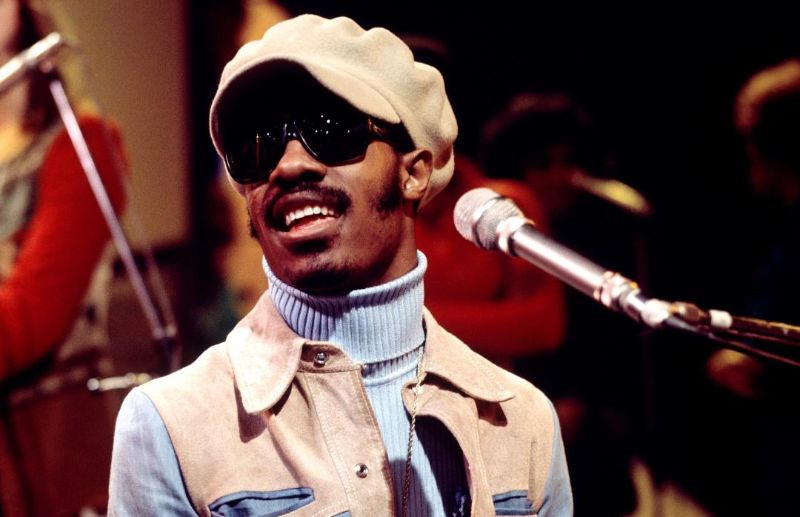
Stevie Wonder became one of the most influential musicians in the history of popular music after emerging as a child prodigy at Motown.
His extraordinary musical talent, soulful voice, and ability to play multiple instruments quickly established him as a remarkable performer.
He first found fame as “Little Stevie Wonder,” scoring a major hit with “Fingertips” while he was still a teenager. As he grew older, his music evolved dramatically, eventually producing some of the most celebrated albums and songs of the 1970s.
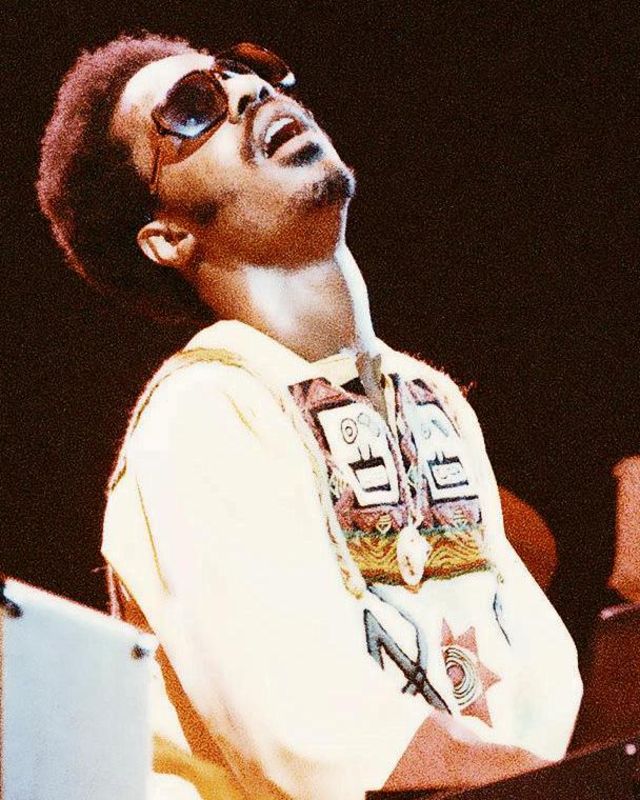
Songs such as “Superstition,” “You Are the Sunshine of My Life,” “Sir Duke,” and “Isn’t She Lovely” became timeless classics.
His distinctive voice and innovative approach to keyboards, synthesizers, and songwriting helped influence generations of musicians.
At the height of his career, Stevie became known for his signature sunglasses, expressive performances, and energetic stage presence. His appearance became instantly recognizable, even as his music continued to change and expand.
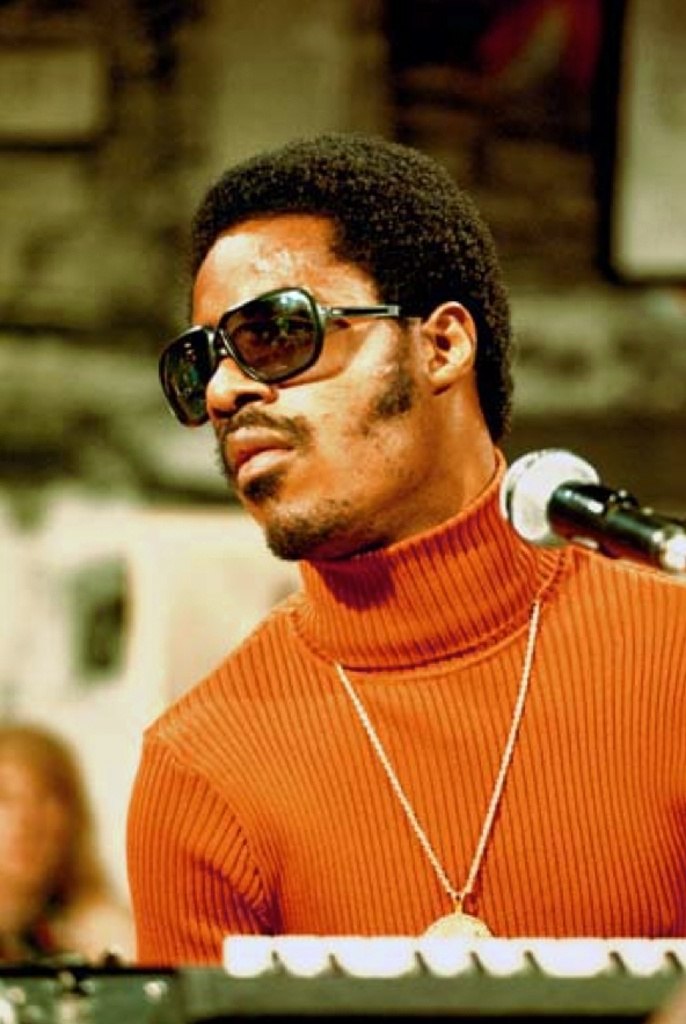
Unlike many artists whose fame was tied to a single decade, Wonder remained an important figure in music for generations. He continued recording, performing, collaborating with major artists, and appearing at important cultural events around the world.
Because audiences first knew him as a young musician, fans have watched Stevie naturally grow older over the course of more than six decades. His hairstyle, facial features, and overall appearance have evolved considerably since his early Motown years.
Today, Stevie Wonder looks very different from the young performer who first captivated audiences in the 1960s. Yet his unmistakable voice, sunglasses, and extraordinary musical talent remain instantly recognizable.

After more than sixty years in music, Stevie Wonder continues to be remembered as one of the greatest and most influential musicians of all time.