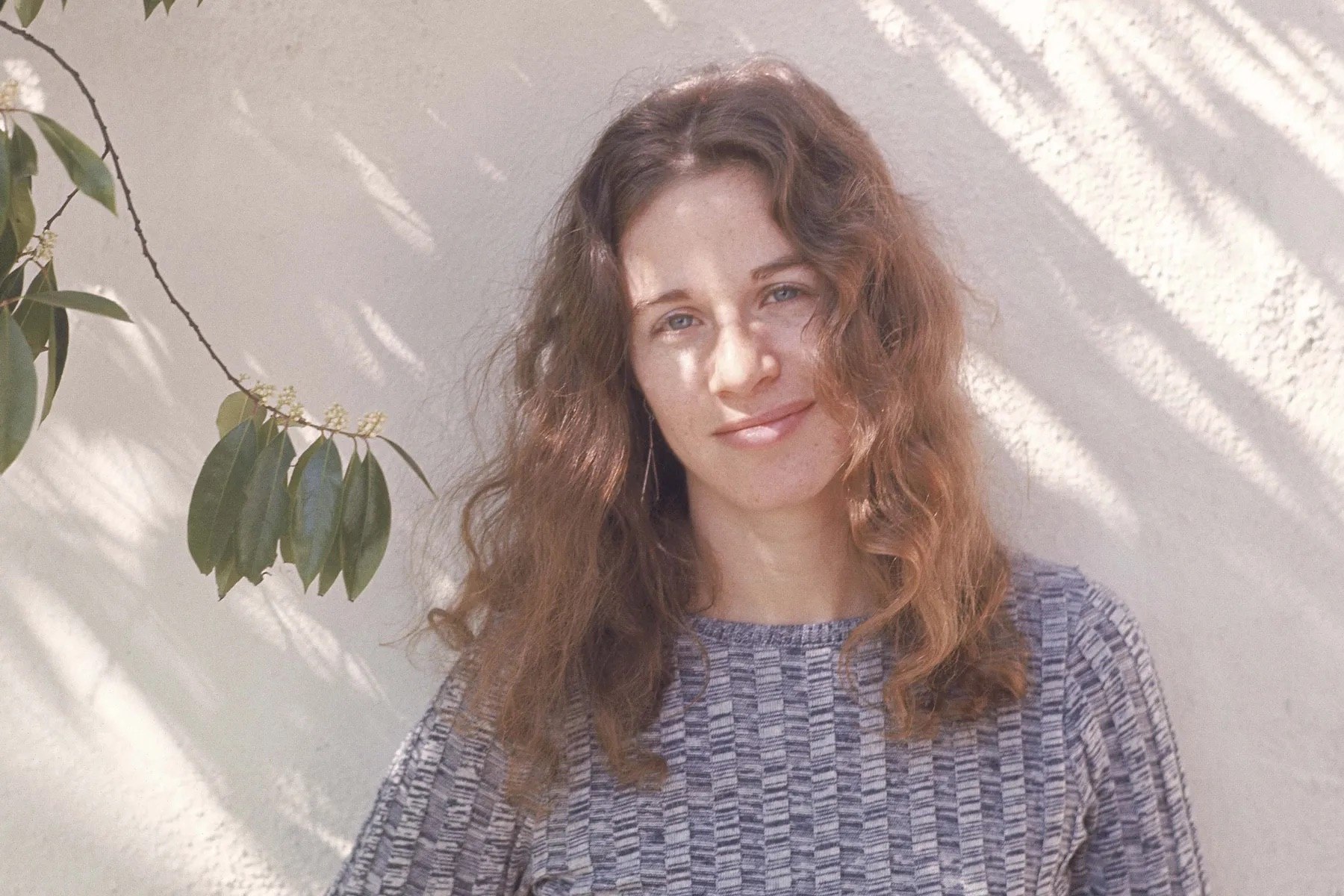
Carole King became one of the most influential singer songwriters in American music, first making a name for herself as a gifted songwriter before becoming a major recording artist in her own right.
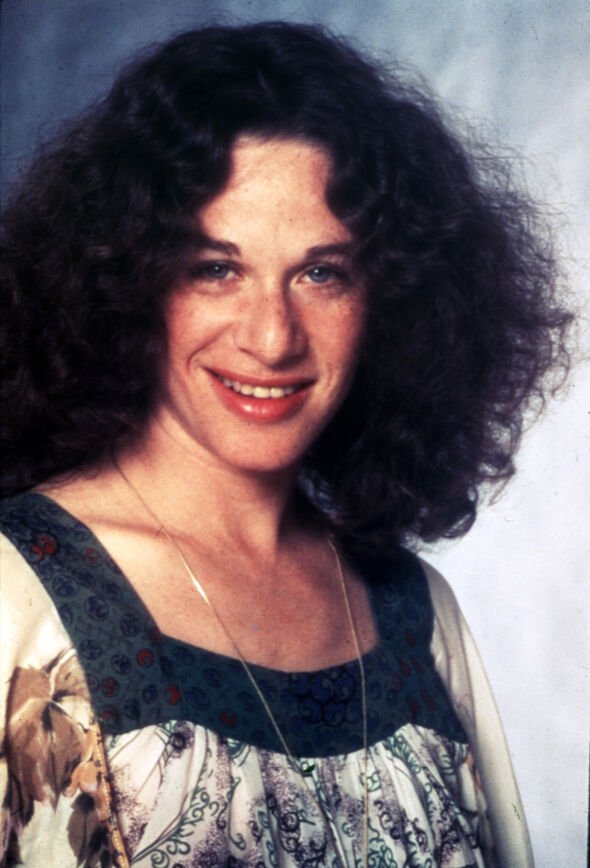
Her warm voice, heartfelt lyrics, and distinctive piano playing eventually made her one of the most respected musicians of her generation.
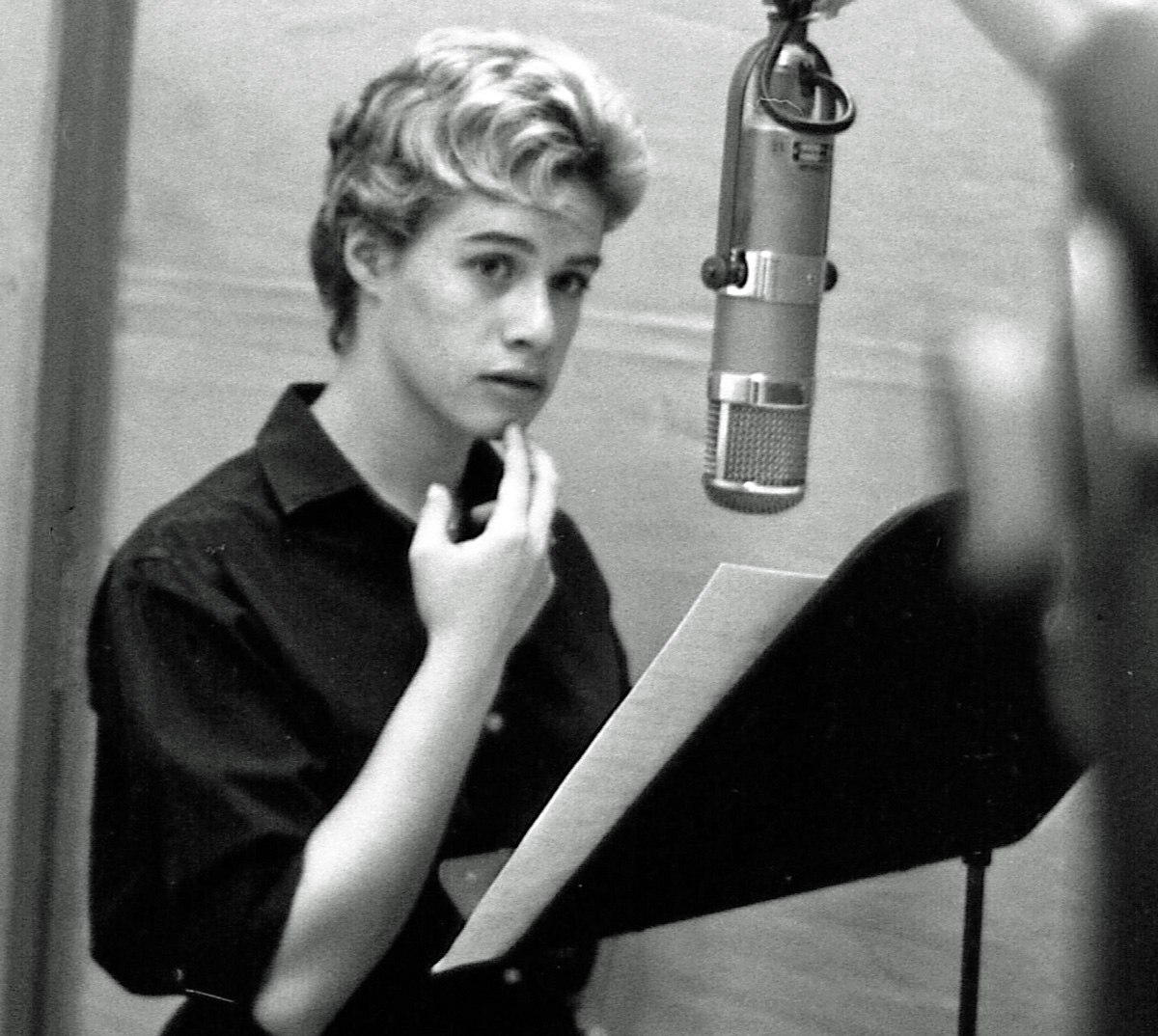
Before achieving fame as a performer, Carole was already writing hit songs for other artists.
She co-wrote classics such as “Will You Love Me Tomorrow” and “(You Make Me Feel Like) A Natural Woman,” establishing herself as an extraordinary songwriter at a remarkably young age.
Her career reached another level with the release of Tapestry in 1971. The album became a defining record of the era and included songs such as “It’s Too Late,” “I Feel the Earth Move,” and “You’ve Got a Friend.”
Carole’s natural appearance and relaxed style also became closely associated with the singer songwriter movement of the 1970s.
Unlike performers who built their image around elaborate costumes and dramatic stage personas, Carole was often recognized for her simple, effortless style.
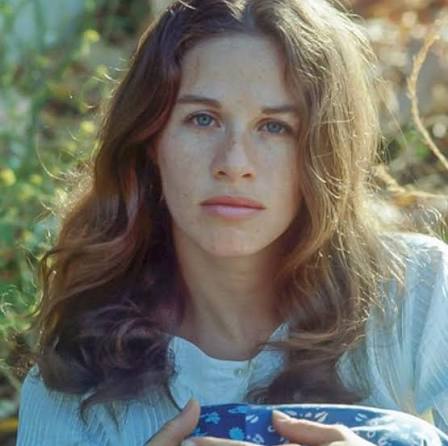
Her long hair, casual clothing, and warm smile helped create an image that felt approachable and authentic.
Over the decades, Carole has continued to be celebrated for her extraordinary contribution to music.
Her songs have been covered by generations of performers, while Tapestry remains one of the most important albums of its era.
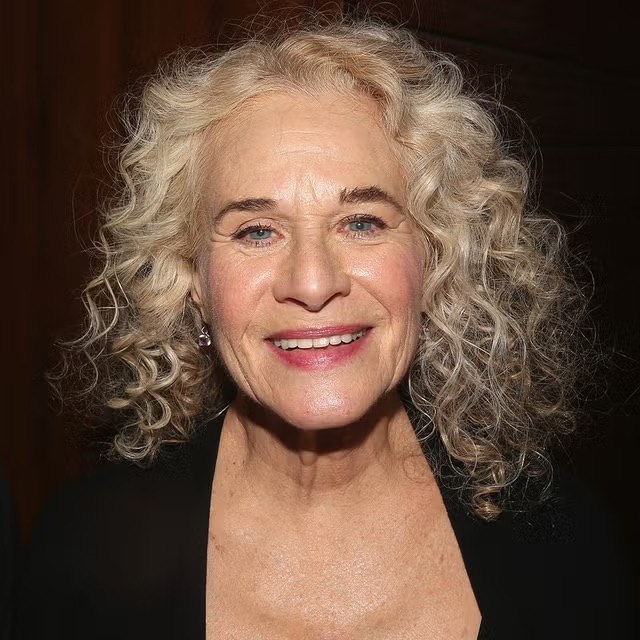
Today, Carole King has naturally changed from the young woman seen on the cover of Tapestry more than five decades ago.
Her hair is lighter, her face has matured, and her overall appearance reflects the many years that have passed.
Yet her familiar smile and gentle presence remain recognizable to the millions of fans who grew up with her music.

Carole King’s appearance may have evolved with time, but her place in music history remains firmly intact.